




 Login
Login



What does silk feel like?
Silk is a natural fiber that comes from the cocoon of the silkworm, most commonly the Bombyx mori. To produce silk, the cocoons are harvested and typically boiled to extract the long, continuous fibers. This traditional method results in an incredibly soft, smooth and luxurious fabric that has been prized for centuries.
Silk feels light against the skin, with a natural sheen and elegant drape. It’s breathable, hypoallergenic and extremely comfortable to wear. These qualities make it a favourite in high-end fashion and interior design.
But real silk also has its downsides:
- The production process often involves boiling live silkworms, which raises ethical concerns for many people.
- It’s a delicate fabric that requires special care, such as hand washing or dry cleaning.
- Real silk can be expensive and is sensitive to sunlight, sweat and abrasion, which can affect its longevity.
Because of these factors, many designers and brands now look for high-quality sustainable silk alternatives that mimic the look and feel of silk without the ethical or practical drawbacks.
Difference between natural silk and synthetic silk
Although they may look similar at first glance, natural and synthetic silk are fundamentally different in origin, structure and use.
Natural silk is made by silkworms and has been valued for centuries for its luxurious feel and natural sheen. It’s a protein-based fiber, which means it reacts to temperature, absorbs moisture and offers unmatched softness. However, it’s sensitive to sunlight, prone to wrinkling and often requires dry cleaning.
Synthetic silk doesn’t come from insects but is made from fibers like polyester or viscose. The goal is to mimic the appearance and smoothness of silk, while offering a more durable and easy-care fabric. It’s less delicate, holds color well and is machine-washable. Additionally, many types of synthetic silk are made using recycled polyester, making them a more sustainable choice.
Where natural silk is prized for tradition and exclusivity, synthetic silk is celebrated for its versatility, affordability, ethical advantages and growing sustainability.
Texture
Natural silk has a smooth, soft, and slightly uneven texture due to its natural protein fibers. It feels cool and luxurious against the skin with a subtle natural sheen that changes beautifully in the light.
Synthetic silk is designed to imitate this softness and shine but tends to have a more uniform and consistent texture. Modern synthetic silks often come very close to the look and feel of natural silk.
Price
Natural silk is one of the most luxurious and desirable fabrics in the world. Its high cost is due to the complex and time-consuming production process. Thousands of silkworms are needed to produce just a small amount of silk, and the harvesting and weaving require great care and craftsmanship. Because production is limited and demand remains high, natural silk is often expensive and exclusive.
Synthetic silk, on the other hand, is a more affordable option. Made from materials like recycled polyester, it replicates the elegant look and smooth texture of real silk at a much lower cost. Thanks to modern production techniques, synthetic silk can be produced on a larger scale, making it ideal for brands and designers looking for a cost-effective and sustainable alternative without compromising on style.
Silk alternatives at House of U
At House of U, we offer a variety of high-quality synthetic silk fabrics that combine elegance with durability and sustainability.
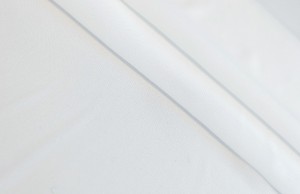
- U-circular Silk Satin: A lightweight woven fabric with a beautiful silk-like sheen. Perfect for fashion items such as dresses, tops, lingerie, and scarves.
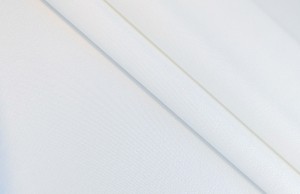
- U-circular Silk Satin Heavy: A heavier woven fabric made from 100% recycled polyester with a stunning glossy finish. Ideal for dresses, curtains, and cushions.
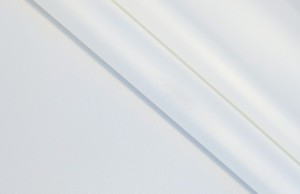
- U-circular Chiffon: Made from 100% recycled polyester, this lightweight and transparent fabric drapes beautifully. Its high transparency ensures prints are visible on both sides. Great for summer clothing, scarves, and curtains.
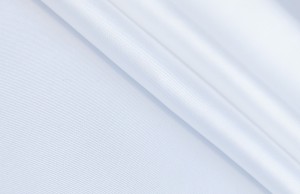
- U-circular Kyoto: A heavy polyester duchess fabric with a gorgeous shine and slightly stiff texture. Perfect for creating wide skirts, accessories like bags, and interior decor.
These alternatives provide stylish, eco-friendly options that mimic the look and feel of natural silk while offering added durability and easier care.
Sustainable silk scarf
In our scarf collection, we also offer two items that feature a beautiful silk look. Both combine elegance with sustainable materials for a stylish and eco-friendly accessory.
- Sustainable Satin Scarf: made from U-circular Silk Satin, this scarf has a luxurious silk-like shine and a smooth, lightweight feel. Perfect for adding a touch of elegance to any outfit.
- Sustainable Easy Care Scarf: crafted from U-circular Chiffon, this lightweight and slightly transparent scarf offers a soft drape and is easy to care for. Ideal for everyday wear with a delicate, silky appearance.


1. Sustainable Easy Care Scarf 2. Sustainable Satin Scarf
Synthetic silk or natural silk: So Which Is Better?
Here’s why synthetic silk is a smart and sustainable alternative to natural silk, offering both practical benefits and an eco-friendly choice without compromising on style or quality:
- Sustainability: often made from recycled polyester, synthetic silk reduces waste and has a lower environmental impact compared to natural silk production.
- Animal Welfare: synthetic silk is cruelty-free, as it does not involve harvesting from silkworms, making it an ethical choice for animal lovers.
- Affordability: it offers the luxurious look of silk at a fraction of the cost, making it accessible for more budgets.
- Durability: synthetic silk is stronger and more tear-resistant than natural silk, ensuring your products last longer.
- Easy Care: unlike delicate natural silk, synthetic silk is easier to wash and maintain without special treatment.
Synthetic silk fabric printing
At House of U, ordering synthetic silk with your own design is simple and fast. You can upload your design directly on our website and immediately see a preview. Then, choose the number of meters or panels you want to order. Once your order is placed, we start printing right away and ensure your personalized and sustainable silk-look fabric is shipped quickly.
View our synthetic satin collection Start designing now!
Synthetic silk fabric at House of U
Discover why House of U is your ideal partner for custom fabric printing. We combine quality, flexibility and service to deliver the best results for your creations.
✔ High-quality sustainable fabrics printed with advanced sustainable techniques
✔ Flexible order sizes from small to large quantities
✔ Fast production times to meet your deadlines
✔ Easy online ordering process
If you have any questions or need guidance, feel free to contact us. We’re here to help you create your perfect custom silk-look fabric!